
In the fast-paced world of October 2025, where remote work blends seamlessly with hybrid learning environments, maintaining sharp focus and mental clarity is more crucial than ever. Many of us face brain fog, distractions from endless notifications, and the midday slump. But what if the key to peak productivity lies not in another cup of coffee, but in your morning meal?
Brain-boosting breakfasts are nutrient-packed options designed to fuel cognitive functions, enhance memory, and sustain energy levels throughout demanding workdays or study sessions. In this article, we explore the science behind these breakfasts, highlight key brain-supporting ingredients, and share easy recipes tailored for busy professionals and students worldwide.
Skipping breakfast may seem like a time-saver, but research shows it can impair cognitive function. Breakfast replenishes glucose, the brain’s primary energy source, and stabilizes blood sugar levels—preventing crashes associated with sugary cereals or pastries.
Key Benefits of Breakfast:
- Enhances memory and concentration
- Boosts alertness and productivity
- Supports long-term brain health
- Improves metabolism, heart, and digestive health
Science Behind Breakfast:
Studies indicate that consuming breakfast, compared to fasting, provides a reliable boost to memory, particularly delayed recall, in adults. For children and those at nutritional risk, skipping breakfast can interfere with learning and attention. Recent 2025 research links regular breakfast consumption to lower risks of age-related cognitive decline and neurodegeneration in older adults.
Tip: Focus on foods rich in omega-3s, antioxidants, proteins, and complex carbs for maximum cognitive benefits.
Incorporate these science-backed ingredients into your breakfast to enhance focus and mental clarity:
- Berries (Blueberries, Strawberries): Flavonoids combat oxidative stress, improving memory and delaying cognitive aging.
- Eggs: High in choline, essential for neurotransmitters that regulate memory and mood.
- Nuts & Seeds (Walnuts, Chia, Flax): Protect brain cells with omega-3s and vitamin E.
- Avocados: Monounsaturated fats and folate promote blood flow and reduce inflammation.
- Whole Grains (Oats, Whole-Grain Bread): Slow-releasing carbs for steady energy.
- Leafy Greens (Spinach, Kale): Folate, vitamins K & E, and lutein support brain structure.
- Yogurt (Greek or Plain): Probiotics support the gut-brain axis, sustaining mood and focus.
Extra Tip: Rotate ingredients to keep meals interesting and ensure a variety of nutrients.
These recipes are quick, delicious, and take under 15 minutes. We've expanded them with meal plan ideas inspired by different cultures for global appeal—such as Asian-inspired additions like matcha or European twists with whole grains.
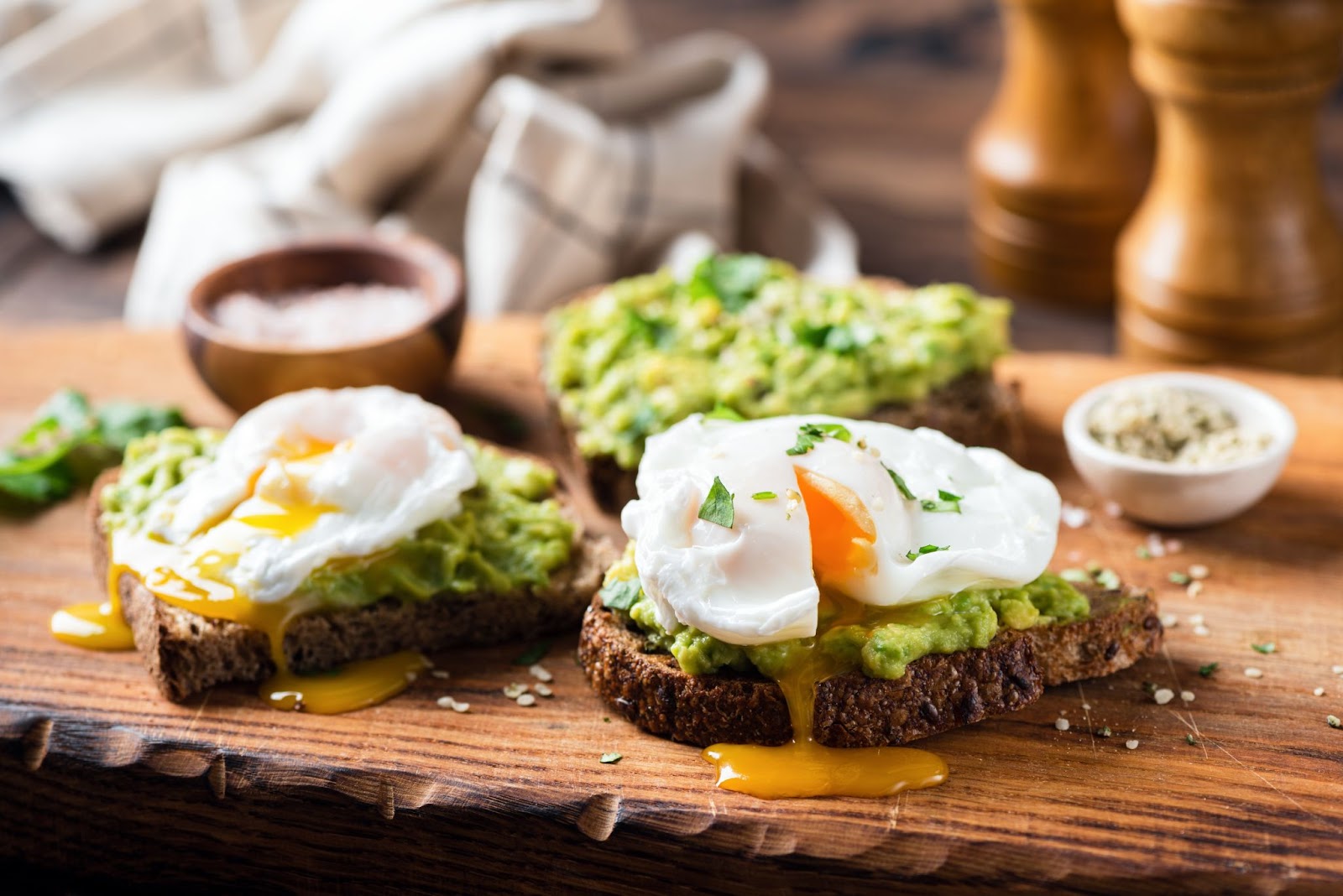
Ingredients:
- ½ cup rolled oats
- 1 cup milk or plant-based alternative
- ½ cup mixed berries
- 1 tbsp chia seeds
- Handful of walnuts
- Dash of cinnamon
Instructions:
- Microwave oats and milk for 2 minutes.
- Stir in berries, chia seeds, walnuts, and cinnamon.
- Let sit for 1 minute to thicken.
Benefits: 350 calories, high in protein and fiber. Flavonoids enhance brain blood flow, while oats prevent energy crashes.
Cultural Meal Plan Idea: For an Asian twist, add matcha powder and top with sesame seeds; for European style, use rye oats with local berries.
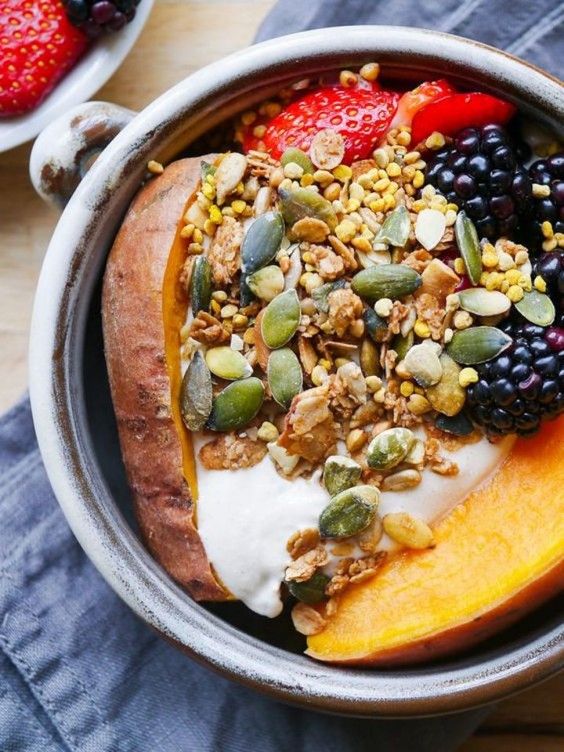
Ingredients:
- 1 slice whole-grain bread
- ½ ripe avocado
- 1–2 eggs
- Handful of spinach
- Sprinkle of pumpkin seeds
- Salt & pepper
Instructions:
- Toast the bread.
- Mash avocado on top.
- Fry or poach eggs, add spinach and seeds.
Benefits: 400 calories, rich in choline and healthy fats. Eggs aid neurotransmitter production, and avocados promote brain protection.
Cultural Meal Plan Idea: Mediterranean version with olive oil and tomatoes; Latin American with cilantro and lime.
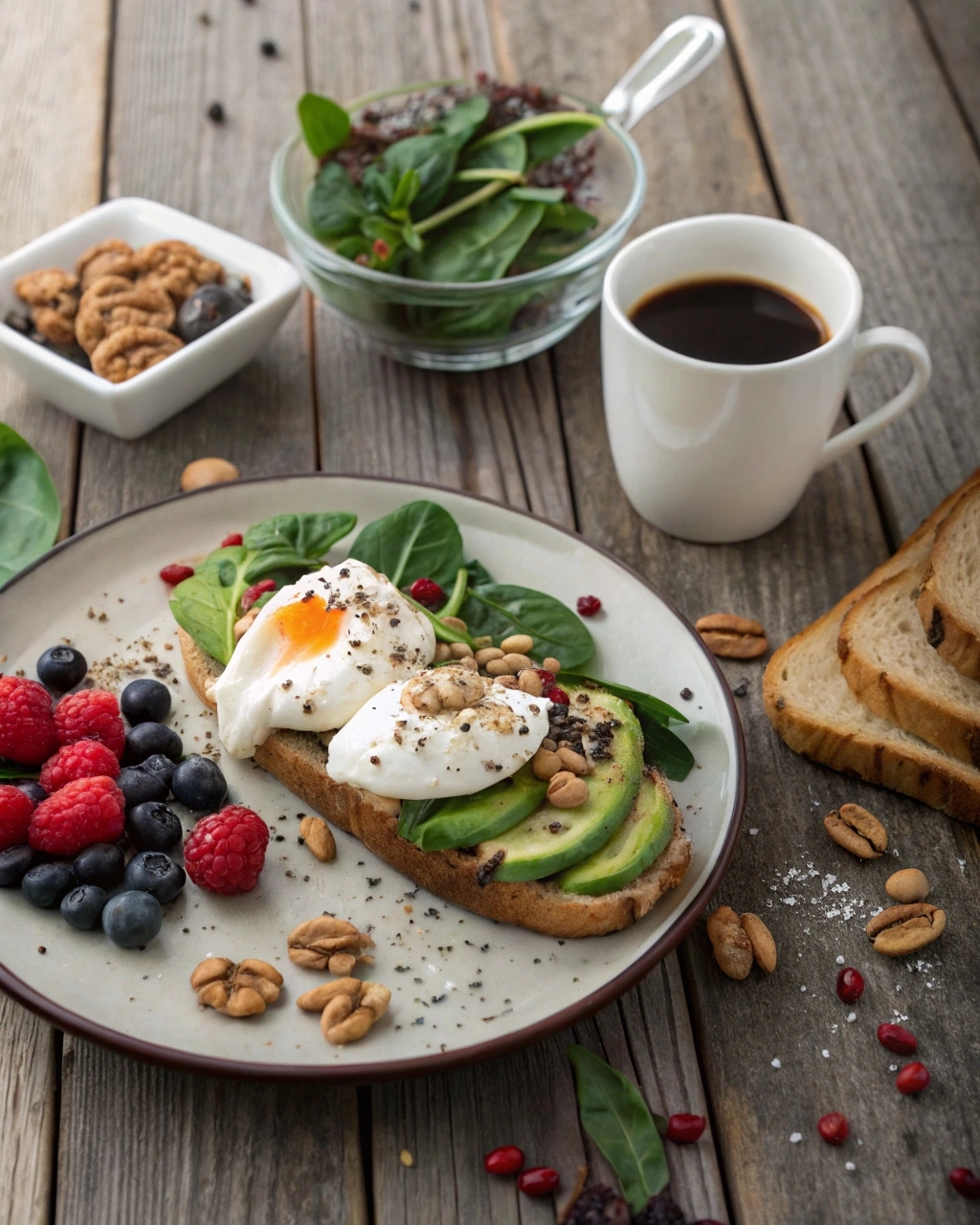
Ingredients:
- 1 cup Greek yogurt
- ½ cup mixed berries
- ¼ cup granola or oats
- Handful of nuts
- Drizzle of honey (optional)
Instructions:
- Layer yogurt, berries, granola, and nuts in a glass.
- Repeat and top with honey.
Benefits: 300 calories, high in protein, vitamin E, and probiotics. Nuts boost cognitive function, and yogurt supports mood via the gut microbiome.
Cultural Meal Plan Idea: Middle Eastern with tahini and dates; Scandinavian with rye granola.
Ingredients:
- 1 banana
- Handful of spinach or kale
- ½ cup berries
- 1 tbsp flaxseeds
- 1 cup almond milk
- Optional protein powder
Instructions:
- Blend all ingredients until smooth.
- Add ice if desired.
Benefits: 250 calories, loaded with folate, antioxidants, and omega-3s. Leafy greens enhance brain structure, and flaxseeds provide essential fatty acids.
Cultural Meal Plan Idea: Tropical with mango (South American); Indian-inspired with cardamom.
Pairing your breakfast with certain beverages can enhance focus:
- Green Tea: Contains L-theanine and caffeine for calm alertness.
- Smoothie with Coconut Water: Hydrates and supplies electrolytes for mental clarity.
- Coffee (in moderation): Improves short-term memory and concentration, but avoid sugar overload.
- Meal Prep: Prepare overnight oats or parfaits the night before.
- Balance Macronutrients: Always include protein, healthy fats, and complex carbs.
- Hydrate: Pair breakfast with water or green tea.
- Avoid Sugar Spikes: Choose whole foods over pastries or sugary cereals.
- Track Focus: Monitor improvement over a week to stay motivated.
- Experiment with Flavors: Cinnamon, cocoa, or vanilla extract can make healthy meals more enjoyable.
- Stay Consistent: Eating a brain-boosting breakfast daily shows the most cognitive benefits.
Q1: Can breakfast really improve memory? Yes! Studies show that consuming nutrient-rich breakfasts enhances memory recall, attention, and learning, especially in children and adults with demanding mental tasks.
Q2: How long does it take to notice improvements? Many people notice better focus and less mid-morning fatigue within a week of consistent, balanced breakfasts.
Q3: Can I make these breakfasts vegan? Absolutely. Substitute yogurt with plant-based alternatives and use flax eggs instead of chicken eggs if needed.
Q4: Is coffee bad for brain function? Moderate coffee consumption (1–2 cups) can improve alertness and cognitive performance. Avoid adding excess sugar or artificial creamers.
Q5: What if I don’t have time in the morning? Overnight oats, parfaits, or pre-blended smoothies are excellent grab-and-go options that take less than 5 minutes in the morning.
Fueling your focus in October 2025 doesn’t require complicated diets—just smart, nutrient-rich breakfasts. From antioxidant-packed berries to protein-rich eggs and fiber-filled oats, these meals help combat mental fatigue and enhance performance.
Start with one recipe this week and build healthy habits. Your brain—and productivity—will thank you!
For more wellness insights: Check out related videos or resources on optimizing daily routines. Stay focused, stay fueled!
This article is for informational purposes only and is not a substitute for professional medical advice. Consult with a healthcare provider or nutritionist before making significant changes to your diet, especially if you have underlying health conditions or dietary restrictions.
Comments
Post a Comment
Thanks for your response,May God bless you