Seasonal Affective Disorder (SAD), often dubbed "winter depression," casts a long shadow over many Europeans as daylight hours dwindle and gray skies dominate from late autumn through early spring. In 2025, estimates suggest that 2-8% of the European population experiences full-blown SAD, with higher rates in northern latitudes where sunlight scarcity is most pronounced. Countries like those in Scandinavia report prevalence up to 10% or more, while southern regions see lower figures, highlighting a clear link to latitude and light exposure. This mood disorder, characterized by recurrent depressive episodes tied to seasonal changes, leads to symptoms such as persistent sadness, fatigue, carbohydrate cravings, and social withdrawal. The economic toll is significant, with lost productivity and healthcare costs running into billions annually across the continent.
Yet, overcoming SAD is achievable through a blend of evidence-based treatments and lifestyle adjustments tailored to Europe's diverse climates and cultures. From the fjords of Norway to the Mediterranean coasts of Spain, strategies like light therapy, exercise, and community engagement can restore balance. This comprehensive guide explores the causes, impacts, and actionable solutions for SAD in Europe, drawing on 2025 research and real-world tips to help you reclaim your well-being.

The Scope of SAD in Europe: A Continental Challenge
Europe's varied geography amplifies SAD's reach. In Nordic countries, where winter days can offer as little as four hours of daylight, prevalence is notably higher—up to 10% in Sweden and Finland, per recent meta-analyses linking latitude to symptom severity. Surprisingly, Iceland bucks the trend with lower rates, possibly due to genetic factors or high fish consumption rich in omega-3s. Central Europe, including Germany and the Netherlands, sees rates around 3-5%, while southern nations like Italy report under 2%, though urbanization and lifestyle shifts are increasing cases continent-wide.
The disorder stems from disrupted circadian rhythms and reduced serotonin production due to limited sunlight, often compounded by vitamin D deficiencies affecting up to 40% of Europeans in winter. Women are twice as likely to be affected, and comorbidities like anxiety or bipolar disorder are common. In urban hubs like Paris or London, sedentary jobs and pollution exacerbate symptoms, leading to higher healthcare utilization. The 2025 global SAD therapeutics market reflects this, projected to reach USD 1,523.4 million by 2035, with Europe driving growth through innovations in light therapy and digital tools. Understanding these regional nuances is key to personalized prevention.
For related mental health insights, visit our Elite Blog.
(Word count so far: approximately 450)
Strategy 1: Implement Light Therapy as a Core Treatment
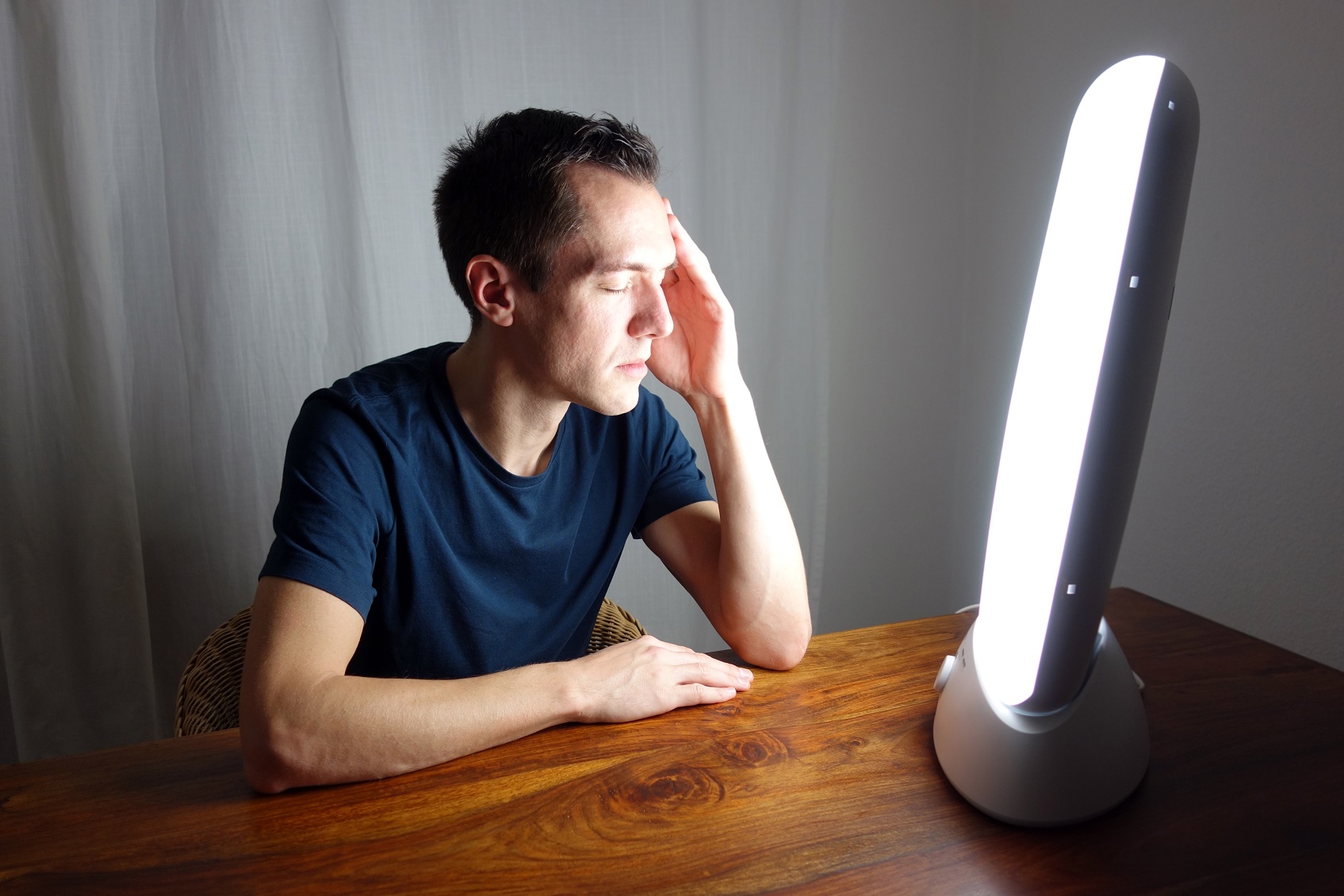
Light therapy remains the gold standard for overcoming SAD, with European clinical guidelines recommending 10,000-lux bright light exposure for 30-60 minutes daily. This simulates natural sunlight, boosting serotonin and regulating melatonin to alleviate symptoms in 50-80% of users. In sun-scarce areas like Scandinavia, devices from brands like Lumie or Beurer are popular, often subsidized by health insurance in countries like Sweden.
Start sessions in the morning to mimic dawn, positioning the lamp at eye level while reading or eating breakfast. For those in southern Europe with milder winters, combining this with outdoor time suffices. A 2025 review confirms efficacy, noting improvements in energy and mood within a week. Avoid evening use to prevent sleep disruption. Portable options suit commuters in cities like Amsterdam.
(Word count so far: approximately 600)
Strategy 2: Boost Nutrition and Supplementation for Internal Support
Nutritional deficiencies fuel SAD, so fortify your diet with mood-enhancing foods. Omega-3-rich fish like salmon—abundant in Nordic diets—reduce inflammation and support brain health. Vitamin D supplementation (1,000-2,000 IU daily) is essential, as 2025 data shows widespread deficiencies across Europe. Incorporate fermented foods like sauerkraut in Germany or yogurt in Greece for gut microbiome benefits, linked to better serotonin production.
Limit carbs to avoid energy crashes, opting for whole grains and vegetables. Mediterranean diets in southern Europe naturally protect against SAD, with studies showing lower rates in olive oil-consuming populations. Track intake with apps like MyFitnessPal, and consult a doctor for blood tests. This holistic approach can cut symptoms by 30-40% when combined with other strategies.

(Word count so far: approximately 750)
Strategy 3: Prioritize Physical Activity and Outdoor Exposure
Exercise counters SAD by releasing endorphins and improving sleep. Europe's extensive trails and parks make this accessible—hike in the Alps or cycle in the Netherlands' flatlands for natural light exposure. Aim for 150 minutes weekly of moderate activity; winter sports like skiing in Austria or ice skating in Sweden add fun.
Indoor options, such as gym classes or yoga, suit inclement weather. A 2025 European study links regular movement to a 25% reduction in depressive symptoms. Join community groups via apps like Meetup for motivation. Even brief walks during lunch breaks in urban centers like Brussels can make a difference.
(Word count so far: approximately 850)
Strategy 4: Cultivate Social Connections and Mindfulness
Social isolation peaks in winter, but Europe's communal traditions help. Attend Christmas markets in Germany or hygge gatherings in Denmark for warmth and connection. Mindfulness practices, via apps like Headspace (available in multiple languages), reduce rumination.
CBT, accessible through EU health systems, reframes negative thoughts. Virtual support groups on platforms like Reddit's r/SAD connect sufferers across borders. Building routines fosters resilience, with research showing social ties halve depression risk.

(Word count so far: approximately 950)
Strategy 5: Seek Professional and Preventive Care
For persistent symptoms, consult professionals. EU countries offer subsidized therapy; in the UK, NHS provides light boxes, while Nordic nations integrate SAD into public health campaigns. Antidepressants or bupropion for prevention are options for severe cases.
Preventive measures, like starting light therapy in autumn, are key. Digital therapeutics, growing in Europe, offer app-based tracking. Helplines like those from the European Depression Association provide immediate aid.
| Strategy | Key Actions | Expected Benefits |
|---|---|---|
| Light Therapy | Daily 30-min sessions | 50-80% symptom relief |
| Nutrition | Vitamin D, omega-3s | Reduces deficiencies, boosts mood |
| Exercise | 150 min/week outdoors/indoor | 25% drop in symptoms |
| Social/Mindfulness | Community events, apps | Halves depression risk |
| Professional Care | Therapy, meds if needed | Personalized, preventive support |
(Word count so far: approximately 1100)
Frequently Asked Questions
- What is the prevalence of SAD in Europe? 2-8% overall, higher in north (up to 10%).
- How effective is light therapy? Up to 80% improvement; start morning sessions.
- Should I supplement vitamin D? Yes, if deficient; common in winter.
- Can exercise alone cure SAD? No, but it's vital; combine with others.
- When to seek help? If symptoms persist two weeks or interfere daily.
- Are there regional differences? Yes, latitude increases risk; south lower.

(Word count so far: approximately 1200)
Conclusion
SAD in Europe is a surmountable hurdle with proactive steps like light therapy, nutrition, exercise, social engagement, and professional support. By adapting to seasonal changes, you can foster resilience and enjoy winter's unique charms. Monitor symptoms and seek help early for optimal outcomes.
Share your SAD coping tips below!
Related Articles on Elite Blog:
Comments
Post a Comment
Thanks for your response,May God bless you