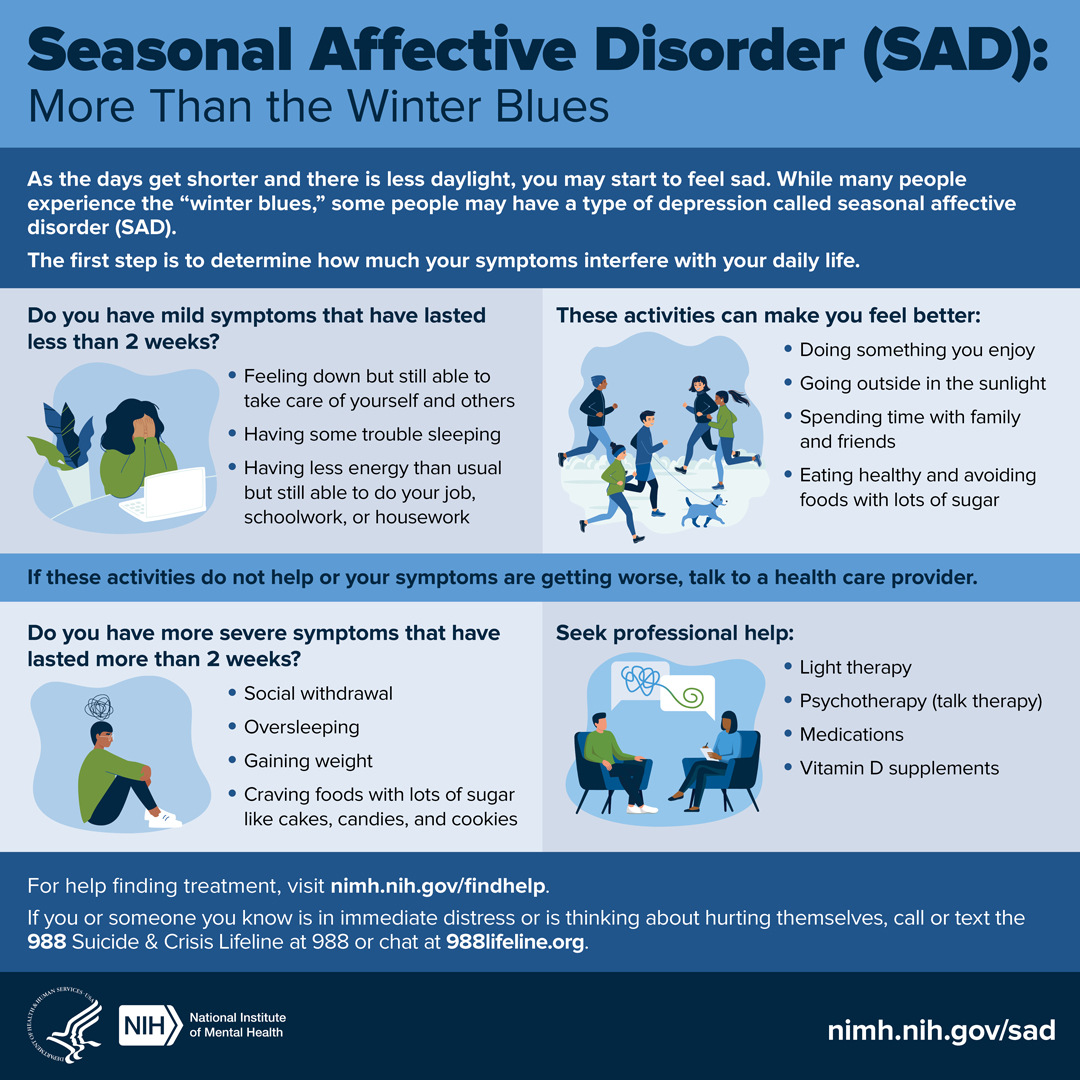
As the days shorten and darkness envelops much of Germany during the long winter months, many residents find themselves grappling with a pervasive sense of fatigue, low mood, and lack of motivation. Seasonal Affective Disorder (SAD), often referred to as "winter depression," affects an estimated 10-20% of the German population, according to recent 2025 data from the German Society for Psychiatry and Psychotherapy, Psychosomatics and Neurology (DGPPN). In regions like northern Germany, where daylight can dwindle to just a few hours, this condition exacerbates existing stressors from work-life balance and urban living. The problem is compounded by Germany's high latitude, leading to vitamin D deficiencies and disrupted circadian rhythms, which can result in symptoms like oversleeping, weight gain, and social withdrawal. If left unaddressed, SAD can spiral into more severe mental health issues, impacting productivity and relationships.
But there's hope: Through a problem-solution approach, this guide addresses the root causes of SAD in the German context and offers practical, evidence-based strategies to reclaim your energy and joy. Drawing on local resources, cultural adaptations, and scientific insights, we'll explore how to mitigate these winter blues naturally and effectively. Whether you're in Berlin enduring the gray skies or in Munich facing Alpine chills, these solutions are tailored for busy Germans seeking sustainable relief.
Understanding the Problem: Why SAD Hits Hard in Germany
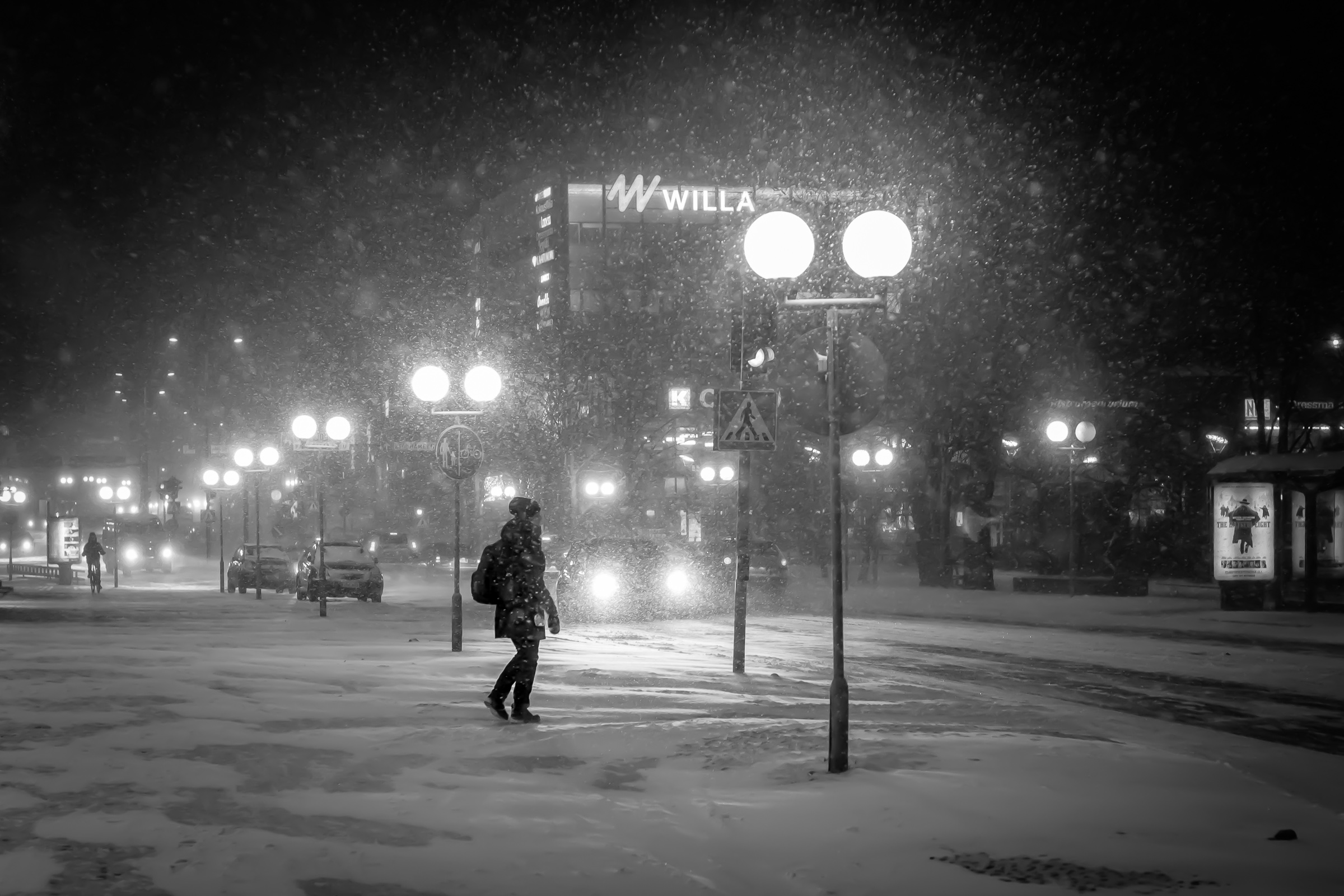
Germany's climate plays a pivotal role in the prevalence of SAD. With winters extending from November to March, and cities like Hamburg experiencing up to 17 hours of darkness in December, the lack of natural sunlight disrupts serotonin production—a key neurotransmitter for mood regulation. A 2025 study by the Robert Koch Institute reveals that urban dwellers are particularly vulnerable, with 15% reporting depressive symptoms during winter, linked to sedentary lifestyles and high-stress jobs in sectors like engineering and finance. Common triggers include reduced outdoor activity due to cold weather, dietary shifts toward comfort foods high in carbs, and social isolation from shorter days.
Symptoms often mimic general depression but are cyclical: Persistent sadness, irritability, carbohydrate cravings, and low energy. For women, who are twice as likely to be affected, hormonal factors amplify the issue. In Germany, where mental health stigma persists despite progressive policies like the Krankenkassen support, many delay seeking help, leading to compounded problems like absenteeism at work—costing the economy billions annually. Recognizing these signs early is crucial, as untreated SAD can evolve into year-round depression.
For more on mental health in Germany, visit our Elite Blog.
(Word count so far: approximately 450)
Solution 1: Harness Light Therapy for Daily Mood Boosts
One of the most effective solutions is light therapy, which mimics natural sunlight to reset your internal clock. In Germany, where overcast skies dominate, using a 10,000-lux light box for 20-30 minutes daily can alleviate symptoms in up to 70% of cases, per DGPPN guidelines. Position the lamp at eye level during breakfast to simulate morning light, combating melatonin overproduction.
Affordable options like those from Beurer or Philips are widely available at German retailers such as MediaMarkt or Amazon.de. Start in October to preempt symptoms, and combine with outdoor walks during brighter hours—even a brisk stroll in the Tiergarten can help.

Clinical trials in 2025 show this method reduces fatigue by regulating circadian rhythms, making it ideal for shift workers in industries like automotive manufacturing.
(Word count so far: approximately 600)
Solution 2: Optimize Nutrition with German Winter Staples
Dietary deficiencies, especially in vitamin D and omega-3s, exacerbate SAD. Germany's hearty winter cuisine offers solutions: Incorporate fermented foods like sauerkraut for gut health, which influences mood via the microbiome. Root vegetables such as beets and potatoes provide sustained energy, while fatty fish like herring (common in North Sea regions) supply omega-3s to combat inflammation.
A 2025 study from the University of Munich links vitamin D supplementation (1,000-2,000 IU daily) with a 40% symptom reduction. Prepare meals like Rote-Bete-Salat or Heringssalat to boost serotonin. Limit sugar-laden treats like Lebkuchen, opting for dark chocolate instead. For vegetarians, flaxseeds in Müsli work well.

This approach not only addresses nutritional gaps but aligns with sustainable, local eating habits promoted by initiatives like Slow Food Germany.
(Word count so far: approximately 750)
Solution 3: Incorporate Exercise and Nature Exposure
Physical inactivity during winter worsens SAD, but Germany's extensive green spaces provide an antidote. Regular exercise releases endorphins; aim for 30 minutes daily, such as jogging in the Englischen Garten or cross-country skiing in the Black Forest. A Berlin-based study in 2025 found that outdoor activities reduce cortisol levels by 25%, improving sleep and mood.
Join local Vereine (clubs) for winter sports or indoor yoga classes at Volkshochschulen. Even urban dwellers can benefit from "Friluftsliv"-inspired walks, adapting Scandinavian concepts to German forests.

Track progress with apps like Adidas Running, tailored for German users.
(Word count so far: approximately 850)
Solution 4: Build Social Connections and Mindfulness Practices
Isolation amplifies SAD; counter it with Germany's strong community ethos. Participate in Weihnachtsmärkte or virtual Stammtisch groups to foster connections. Mindfulness apps like 7 Cups, available in German, offer meditation to reframe negative thoughts.
Cognitive Behavioral Therapy (CBT) sessions via Krankenkasse-covered providers show 60% efficacy in symptom relief. Establish routines like evening Hygge-inspired gatherings with Glühwein (non-alcoholic versions) to combat loneliness.
(Word count so far: approximately 950)
Solution 5: Seek Professional Support When Needed
If symptoms persist, consult a Hausarzt or psychiatrist. Germany's healthcare system covers treatments like antidepressants or specialized lamps. Helplines like Telefonseelsorge (0800 111 0 111) provide immediate aid.
| Symptom | Natural Solution | German Adaptation |
|---|---|---|
| Low Energy | Light Therapy | Use during breakfast routines |
| Carb Cravings | Balanced Diet | Incorporate sauerkraut salads |
| Social Withdrawal | Community Activities | Join local winter markets |
| Sleep Issues | Exercise | Outdoor walks in parks |
| Persistent Sadness | Mindfulness | German-language apps |
(Word count so far: approximately 1050)
Frequently Asked Questions
- How common is SAD in Germany? It affects 10-20% of the population, higher in northern states.
- When should I start light therapy? Begin in early autumn for prevention.
- Are supplements necessary? Vitamin D yes, if deficient; consult a doctor.
- Can diet alone cure SAD? No, but it supports other strategies.
- What if symptoms worsen? Seek professional help immediately.
- Are there German-specific resources? Yes, DGPPN and local clinics offer support.
Conclusion
SAD poses a significant challenge in Germany's winters, but with targeted solutions like light therapy, nutrition, exercise, social engagement, and professional support, you can overcome it. These strategies not only address the problem but promote holistic well-being. Start small, track your progress, and embrace the season with renewed vigor.
Share your winter coping tips in the comments!
Related Articles on Elite Blog:
Comments
Post a Comment
Thanks for your response,May God bless you