Beat Seasonal Depression Naturally in Northern Europe: Light Therapy & Herbal Remedies for Winter Wellness
As winter descends upon Northern Europe, daylight fades, and many people experience a noticeable drop in mood known as Seasonal Affective Disorder (SAD). This form of seasonal depression often brings fatigue, anxiety, and emotional imbalance—especially in countries like Norway, Sweden, Finland, and the UK, where sunlight becomes scarce.
At Eelite Blog, we focus on natural mental health strategies backed by science, helping you manage depression and anxiety holistically. In this guide, we explore natural remedies for winter depression, including light therapy, herbal supplements, and nutrition tips, to help you restore mental clarity, balance, and resilience throughout the cold season.
Understanding Seasonal Affective Disorder (SAD)
Seasonal Affective Disorder is a type of depression triggered by limited sunlight exposure during autumn and winter. It affects up to 10% of Northern Europeans, disrupting circadian rhythms and reducing serotonin—the “happy” hormone.
Common symptoms include:
-
Persistent low mood and loss of interest
-
Fatigue and poor concentration
-
Sleep disruptions
-
Changes in appetite
-
Increased anxiety and irritability
SAD not only affects mental wellness but can also impact physical health, increasing risks of high blood pressure, weakened immunity, and chronic fatigue. Recognizing these signs early allows for better management through natural healing and lifestyle changes.
☀️ Natural Light Therapy: Replacing Lost Sunlight
One of the most effective, science-backed treatments for SAD is Bright Light Therapy (BLT) — a simple, drug-free way to simulate natural sunlight indoors.
Research shows BLT can:
-
Boost serotonin and melatonin balance
-
Improve energy levels
-
Regulate sleep cycles
-
Reduce anxiety and fatigue
How to Use Light Therapy:
Tip Description Benefits Start Early Use your light box within an hour of waking. Aligns your body clock and boosts morning alertness. Stay Consistent Use daily for 20–30 minutes. Prevents mood dips during dark days. Add Movement Do light stretching while using it. Doubles benefits by increasing endorphins. Monitor Intensity Use 10,000 lux brightness safely. Prevents eye strain and discomfort. Track Mood Note your feelings weekly. Helps tailor your therapy sessions effectively.
| Tip | Description | Benefits |
|---|---|---|
| Start Early | Use your light box within an hour of waking. | Aligns your body clock and boosts morning alertness. |
| Stay Consistent | Use daily for 20–30 minutes. | Prevents mood dips during dark days. |
| Add Movement | Do light stretching while using it. | Doubles benefits by increasing endorphins. |
| Monitor Intensity | Use 10,000 lux brightness safely. | Prevents eye strain and discomfort. |
| Track Mood | Note your feelings weekly. | Helps tailor your therapy sessions effectively. |
💡 Tip: Combine your morning BLT session with a calming cup of herbal tea for the perfect mental reset.
🌿 Herbal Remedies to Combat Winter Depression Naturally
In addition to light therapy, herbal medicine offers powerful tools for managing anxiety and low mood during winter. Europe has a long tradition of using plant-based remedies for emotional balance.
🌸 Top Herbal Remedies for Winter Depression
Herb/Supplement Dosage Key Benefits Cautions St. John’s Wort 300 mg, 3x daily Natural antidepressant; boosts mood Avoid mixing with medication; consult doctor first. Lemon Balm (Melissa officinalis) 300–600 mg daily Calms anxiety, improves sleep May cause mild drowsiness. Holy Basil (Tulsi) 400–500 mg daily Adaptogen that lowers cortisol Avoid if pregnant; monitor blood sugar. Vitamin D 1,000–2,000 IU daily Replaces sunlight deficiency; enhances mood Get tested before high doses.
| Herb/Supplement | Dosage | Key Benefits | Cautions |
|---|---|---|---|
| St. John’s Wort | 300 mg, 3x daily | Natural antidepressant; boosts mood | Avoid mixing with medication; consult doctor first. |
| Lemon Balm (Melissa officinalis) | 300–600 mg daily | Calms anxiety, improves sleep | May cause mild drowsiness. |
| Holy Basil (Tulsi) | 400–500 mg daily | Adaptogen that lowers cortisol | Avoid if pregnant; monitor blood sugar. |
| Vitamin D | 1,000–2,000 IU daily | Replaces sunlight deficiency; enhances mood | Get tested before high doses. |
💬 Tip: Brew lemon balm or holy basil tea after sunset to relax your mind and body naturally.
The Power of Natural Light Therapy for Stress Relief
One of the most evidence-based nutrition and lifestyle interventions for SAD is bright light therapy (BLT), a non-invasive method that mimics natural sunlight to regulate mood hormones. This approach offers significant health benefits of physical activity alternatives, as it can be done passively while engaging in daily routines. Studies show that BLT provides anxiety depression relief by boosting serotonin production and resetting the body's internal clock, effectively combating the winter blues. For those in Northern Europe facing severe stress from light deprivation, regular sessions can lead to noticeable improvements in psychological well-being within weeks.

Nutrition & Physical Activity for Mental Wellness
Your diet and daily movement play a major role in managing SAD and stress.
Incorporating nutrient-rich foods and gentle exercise helps stabilize your mood and energy.
Best Foods for Mental Clarity:
-
Fatty fish (omega-3s for brain health)
-
Whole grains (steady energy)
-
Leafy greens (folate and magnesium)
-
Nuts and seeds (healthy fats and zinc)
-
Herbal teas (hydration and calm focus)
Simple Exercises for Winter Wellness:
-
Brisk morning walk after light therapy
-
Indoor yoga or stretching
-
Dancing to uplifting music
-
Deep breathing or mindfulness sessions
Together, these habits create a powerful mind-body balance that supports emotional resilience throughout winter.
Herbal Remedies: Natural Allies Against Winter Depression
Complementing light therapy, herbal remedies offer another layer of natural remedies for anxiety and depression, drawing from traditional European practices adapted for modern use. These plant-based solutions target the root causes of SAD, such as neurotransmitter imbalances, providing stress remedies that enhance nutrition for mental health.
A standout herb is St. John's Wort (Hypericum perforatum), widely used in Europe for its antidepressant properties. Clinical evidence suggests it can alleviate mild to moderate depression anxiety by inhibiting serotonin reuptake, similar to some stress medicine. In Northern Europe, where herbal traditions are strong, teas or supplements of this herb have shown promise for seasonal anxiety relief, with studies indicating improvements in mood and reduced chronic stress. However, it's essential to note potential interactions with medications, so consult a professional before starting.
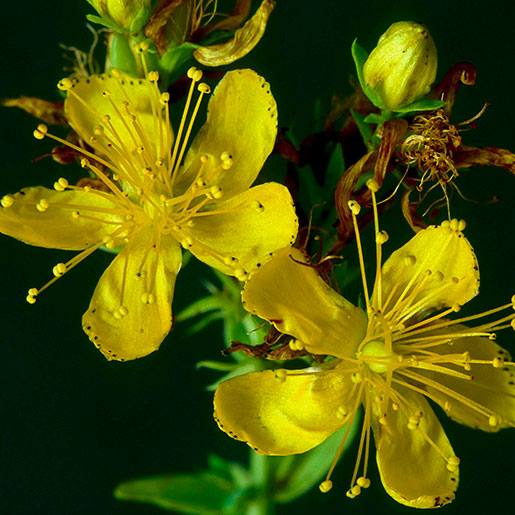
Other anxiety herbal remedies include Lemon Balm (Melissa officinalis) and Holy Basil (Ocimum sanctum). Lemon Balm, with its calming effects, helps with anxiety over health concerns and improves mood by modulating GABA receptors, offering home remedies for stress relief. Holy Basil, an adaptogen, supports the body's response to severe stress, reducing cortisol levels for overall well-being and wellness. These can be consumed as teas, tinctures, or capsules, ideally 300-600 mg daily for Lemon Balm or 400-500 mg for Holy Basil.
For those dealing with stress and anxiety depression, Vitamin D—often considered a "natural remedy"—is crucial in sun-scarce winters. While not strictly herbal, supplementing with 1,000-2,000 IU daily can address deficiencies linked to SAD, enhancing diet for mental health. A balanced approach might include:
These best remedies for stress and anxiety should be part of a broader mental health and healthy lifestyle plan, ensuring they align with your health lifestyle needs.
Integrating Light Therapy and Herbs with Nutrition and Activity
To maximize stress cures, combine these strategies with evidence-based nutrition and physical activity. A diet for mental clarity rich in omega-3s, whole grains, and leafy greens supports brain health benefits, while light exercise like walking enhances exercise and brain health. This holistic method addresses health issues related to stress, promoting physical activity and health for sustained relief.
In Northern Europe, incorporating these into daily life—such as a morning light session with herbal tea—can transform winter from a period of high stress to one of resilience. Remember, while these natural approaches offer significant benefits of mental health, severe cases warrant professional intervention to prevent health diseases.
Conclusion: Embrace Natural Healing This Winter
Overcoming seasonal depression doesn’t have to rely solely on medication. Through natural light therapy, herbal remedies, and healthy habits, you can restore emotional strength and maintain mental clarity all winter long.
At Eelite Blog, we believe in healing through balance — nurturing your body, mind, and environment in harmony. Stay tuned for more natural mental health insights from Europe and beyond.
❓ FAQs
1. What time is best for light therapy?
Morning sessions help reset your circadian rhythm and improve daytime energy.
2. Are herbal remedies safe to use daily?
Most are safe, but always consult a health expert if you’re on medication or pregnant.
3. Can I replace antidepressants with herbal supplements?
No. They can complement therapy but should not replace prescribed medicine.
4. How soon will I feel better?
Most people notice mood improvements within 1–2 weeks of consistent use.
5. What foods support mood in winter?
Omega-3-rich foods, whole grains, and leafy greens help regulate brain chemistry naturally.
For more mental health ideas or related topic click HERE
Comments
Post a Comment
Thanks for your response,May God bless you